
How to Plan Properly
When you read the word planning, what images does it evoke?
Perhaps for you, and certainly for many, planning brings up all sorts of “shoulds” about what it should look like, feel like and be like. Maybe there’s a feel of an office or professional environment, people in suits being serious about serious business things. Maybe it evokes the image of a complex spreadsheet.
We have been conditioned to think that good planning belongs in office wear, just like we’re also conditioned to think that we need to be effectively productive mon-fri, 9 to 5.
All of this, of course, doesn’t really work when you run your own business or freelance creative practice.
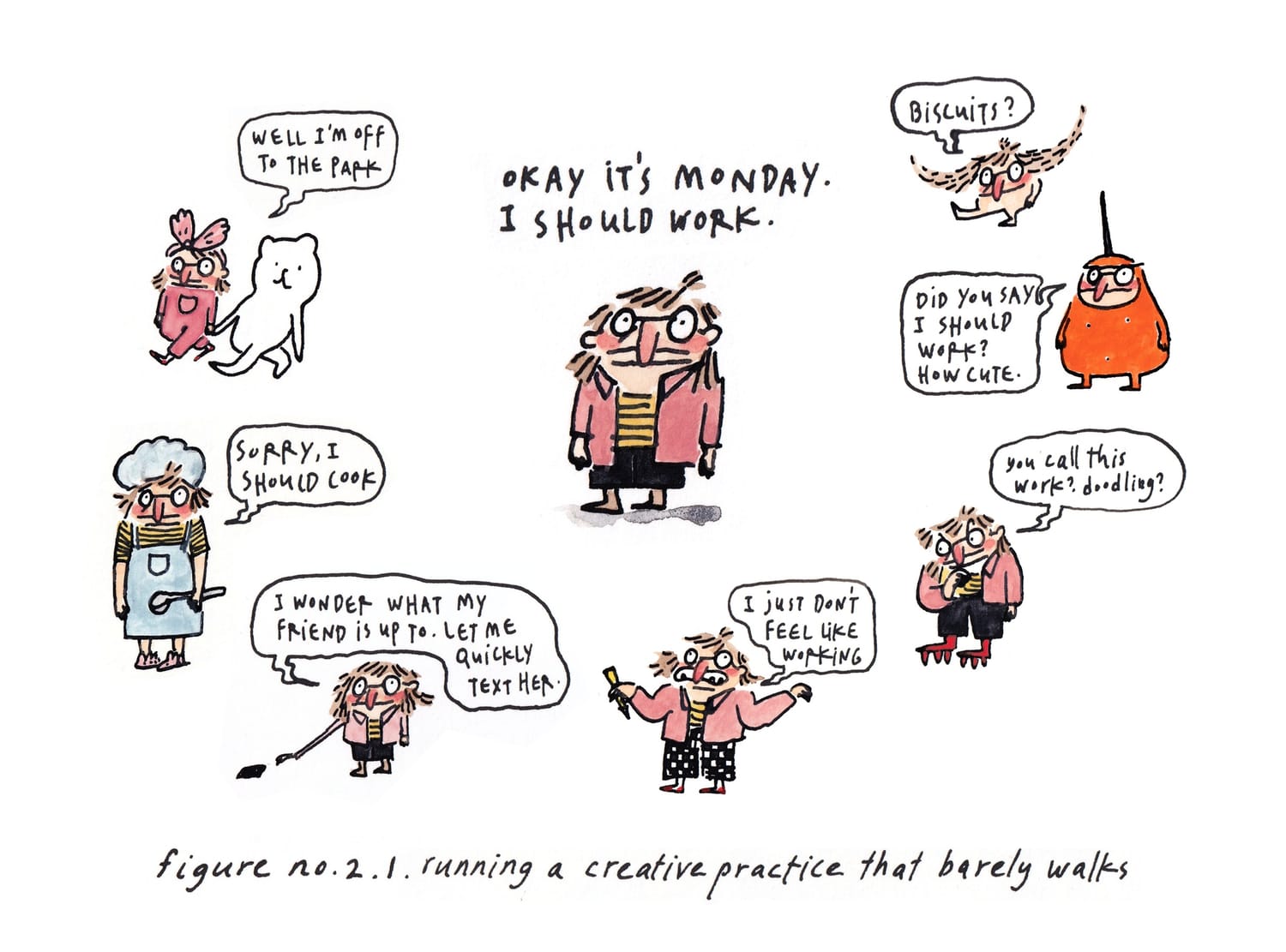
Creativity is wily, tricky and hates being constrained to someone else's schedule.
And people who regularly wield their creativity: the ones who are bursting with 1000 ideas a day, well, they tend to be rather rebellious. I don’t necessarily mean they are anarchically out breaking laws, but they are internally rebellious. If they say to themselves, on Saturday, I’m going to write/draw/make, then, when Saturday rolls around, their inner rebel is likely to spit its metaphorical dummy out and refuse to obey the constraints of that schedule.
It’s exhausting, isn’t it?
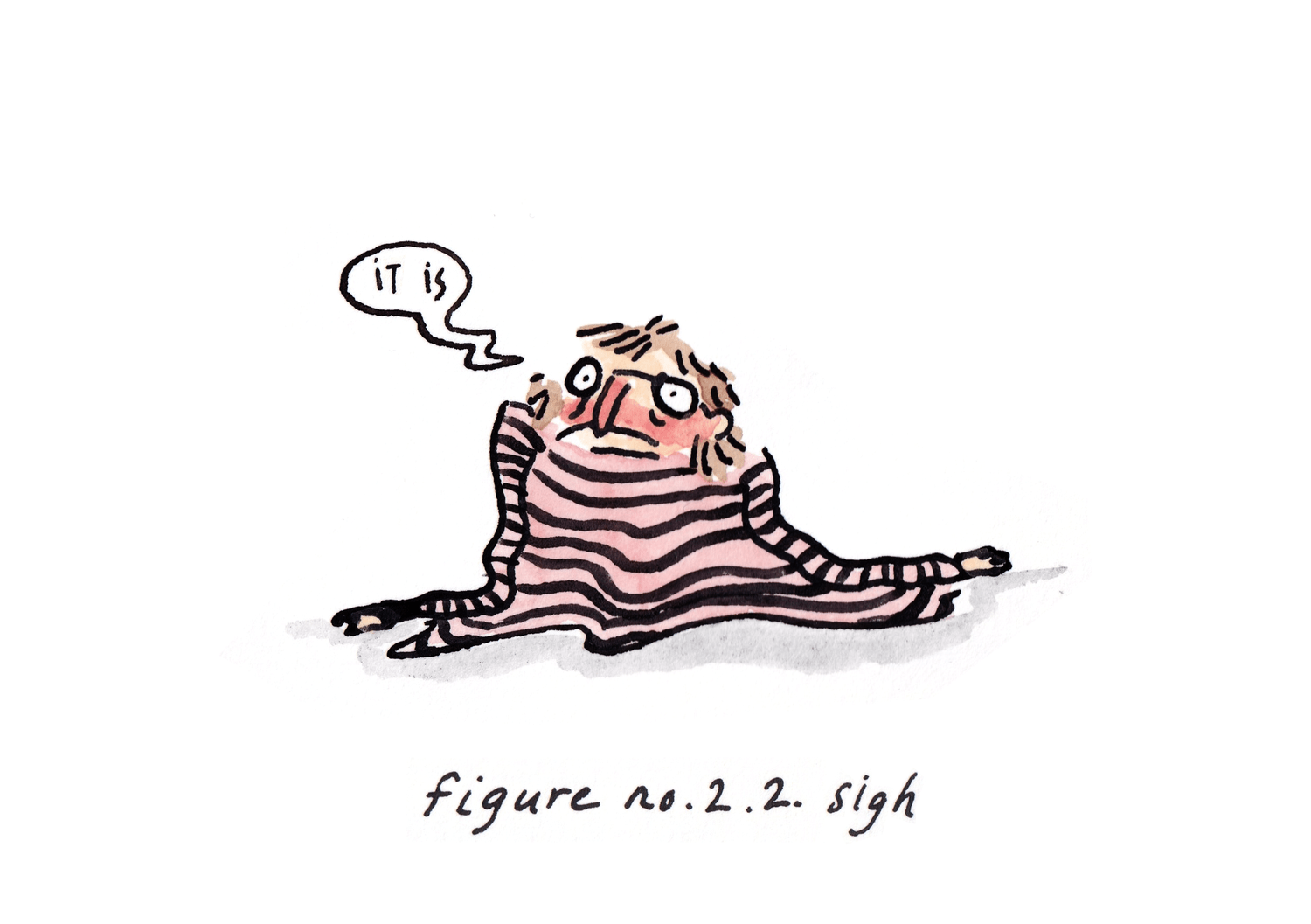
With all that in mind, when it comes to finding a planning system, it has to be absolutely in tune with who you are, your values, your learning styles, your neurodiversities and your energy levels on any given day.
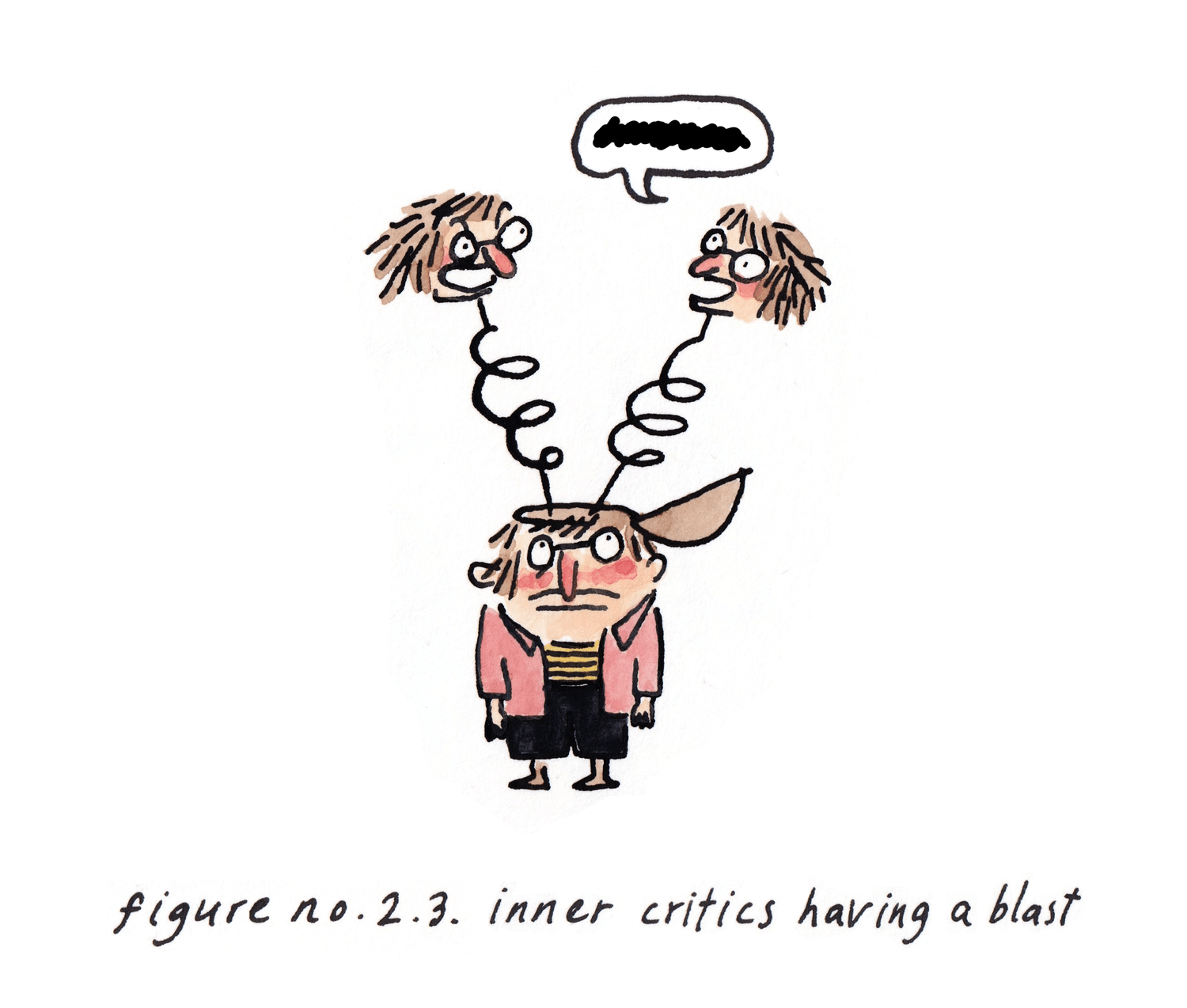
Fighting against any of these is an exercise in frustration and will only lead to you failing to follow the plan which your inner critics may well have a field day with, chastising you for messing it up again.
So to plan properly, you need to take an asset based approach. What might be seen as negatives need to flip round into useful assets. For example:
I can’t time block as my inner rebel kicks off and I end up doing nothing at all.
Flipped to…
I work with the ebb and flow of my energy, which means I can make space when I’m firing on all cylinders and can hyper focus, getting several days work done in a few hours, but I also have space to rest and restore when things are more muted.
It’s also of vital importance to practice realistic planning. It’s natural for the creative mind to be ambitious, often wildly so, but we do need to keep that in check, holding the plan up to a few criteria to make sure it is realistic.
Some prompts to help shape that criteria:
What time will it take to achieve this?
Do I have space in my diary to allocate to this?
How might I get in my own way with this?
Might I procrastinate? If so, why?
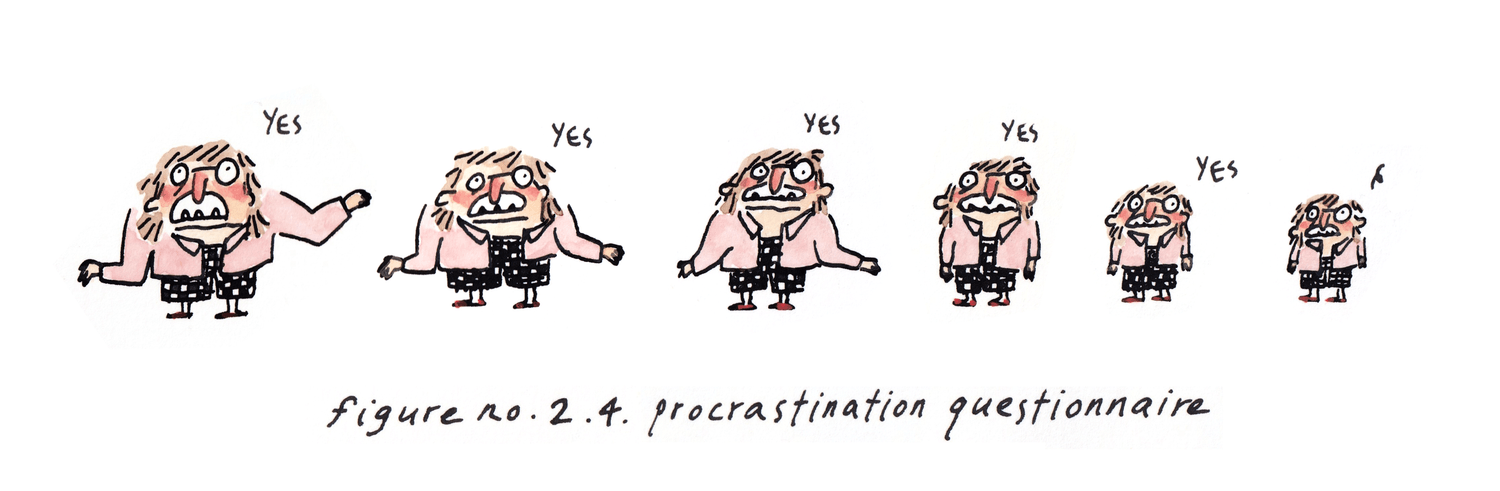
I recommend the acronym DUETS when you are procrastinating and not sure why.
Ask yourself is it because:
It is too Difficult?
Am I Uncertain about it?
Do I lack the Energy needed?
Is it a Tedious task?
Is it too Scary?
There is no magic wand planning tool that you will stumble upon which will solve all your planning issues. There are plenty out there which you might get excited about for a week or two, but the real fundamental shifts come from listening to yourself and not beating yourself up when a plan falls apart but going into detective mode to find out why it failed and what needs to happen differently to get a more positive outcome in the future.
This, I know, is a lot more boring than signing up to what appears to be a magic wand bit of software/course/book that promises to solve all your problems. It’s not a quick fix either. What I’m proposing is a slow burn approach where you need to consistently lean into how your brain works in order to build a system you will stick to.
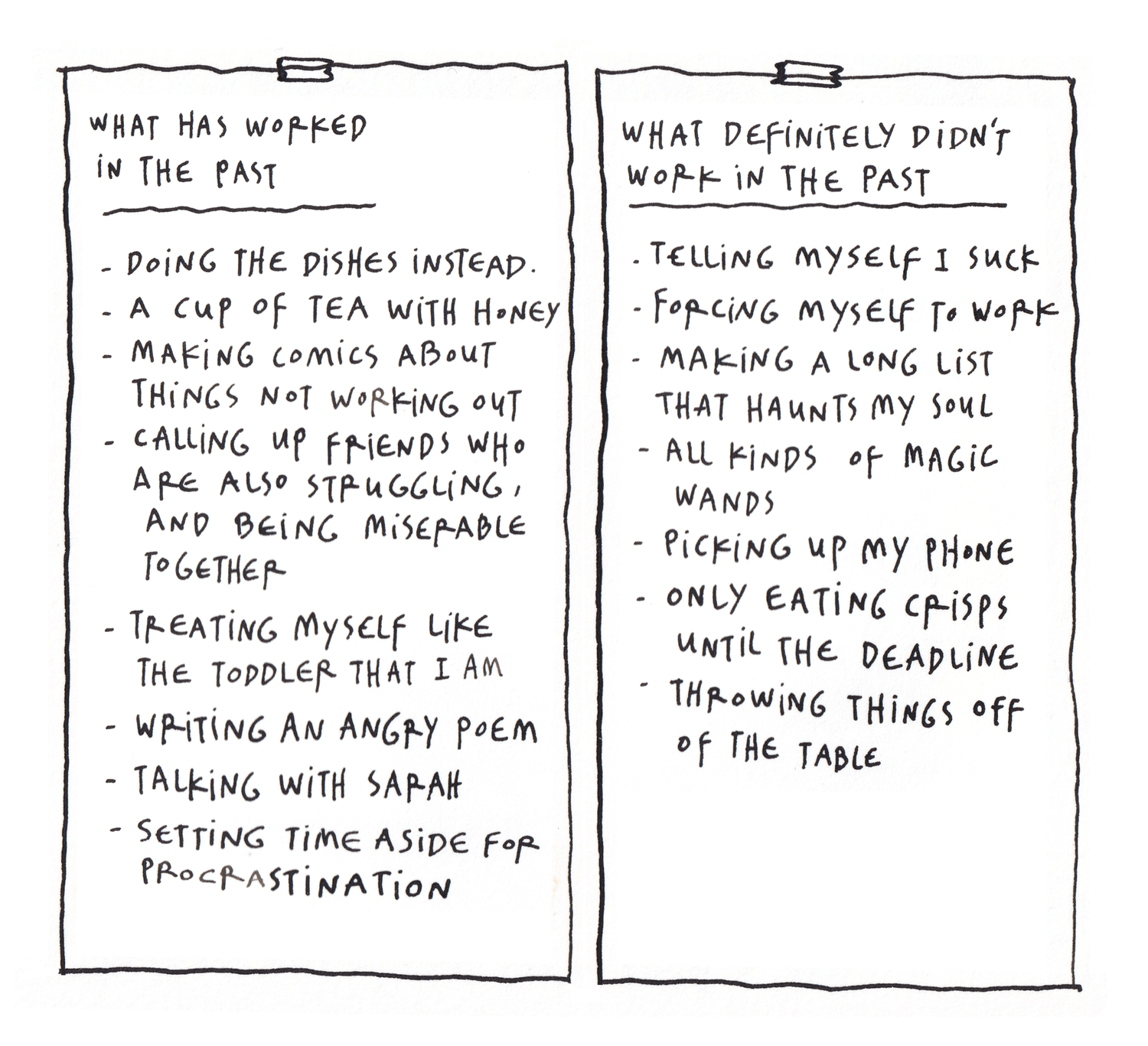
You already know a lot of things that would be useful here too. You know what has worked in the past, but fallen by the wayside and what definitely didn’t work. Gather all that useful data and try not to forget it.
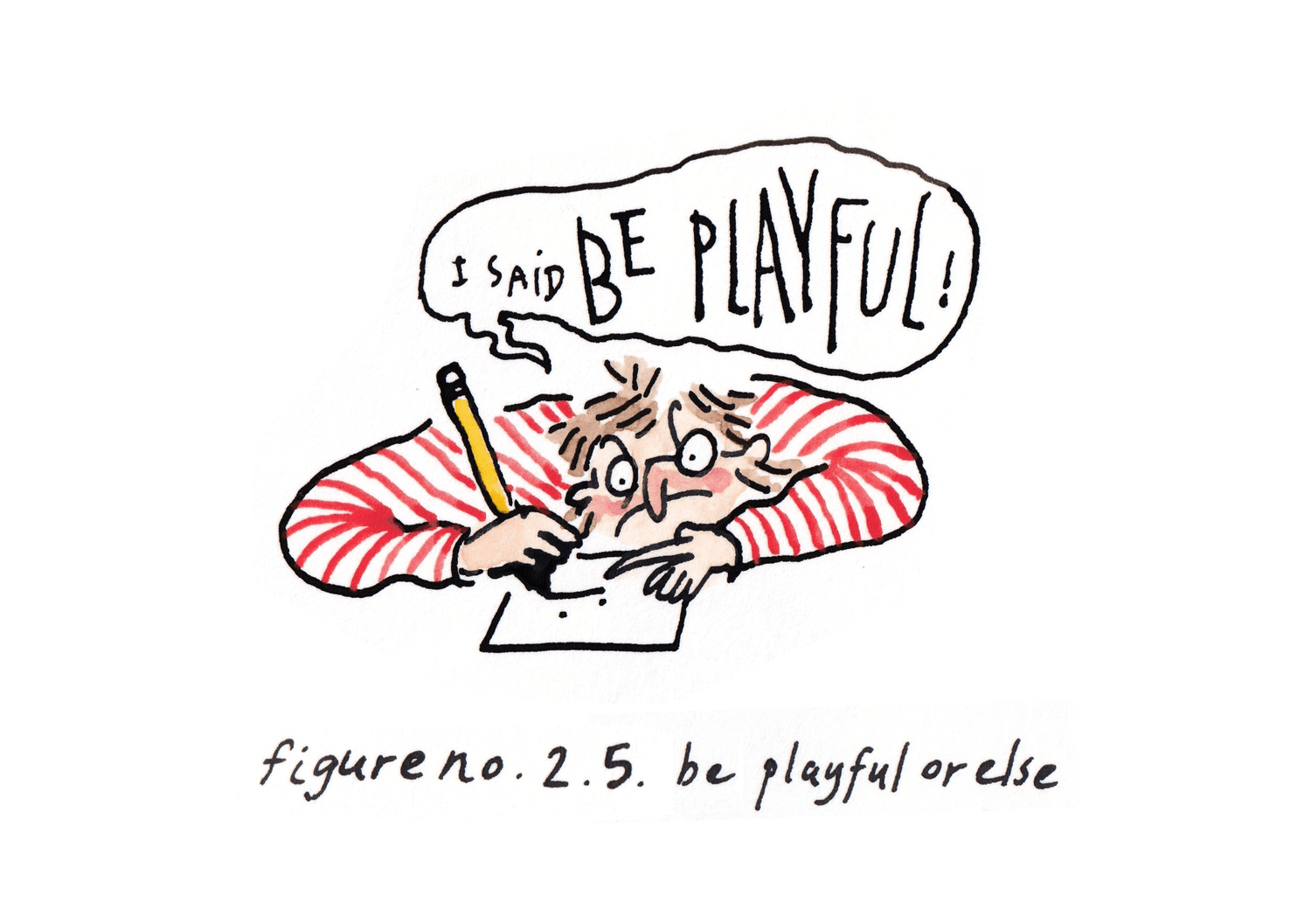
Finally, and perhaps this is the most important point of all, planning effectively comes from not taking it too seriously. Be playful, hold it lightly so you can keep adapting and improving the process without being unkind to yourself.
Q & A
Tara: Sarah, what is your favourite thing to do when procrastinating?
I love a good potter about. In fact, (as I mention regularly, as it never gets old) I was once on BBC Radio 4’s Woman's Hour as an expert in pottering. Gold star to me! So yes, when I’ve got a task that is difficult/uncertain/tedious/scary, I’ll find ways to potter… prune the rose bush, sort out that drawer, digitally potter by sorting out photos or getting to inbox zero.
I also am addicted to puzzles like wordle and sudoku. I recently counted that I regularly do about 15 puzzles a day. I’m sure it will benefit me massively in older age, but right now, whilst soothing and restful, it can definitely be a powerful procrastination tool!
Sarah: Tara, what useful data have you collected over time about what works and what doesn’t?
Lorem ipsum dolor sit amet, consectetur adipisicing elit. Autem dolore, alias, numquam enim ab voluptate id quam harum ducimus cupiditate similique quisquam et deserunt, recusandae.