
Being an Imperfectionist
In the last blog we explored what perfectionism is and how it might show up for you (and also how it is blooming annoying).
In response to that, here are some musings around the opposite and how you can cultivate an imperfect approach so it becomes a super power. Now, I’m not talking about being sloppy and slapdash here. Not at all. You can strive to be your best and produce your best work as an imperfectionist. The golden thread, though, is that you know when it is good enough. You can make decisions quicker, you can care less about the perceived judgement of others (they are probably too wrapped up in their own stuff to care anyway), and you can take messy action, learning as you go, to get you closer to the big juicy goals that drive you forward.
But before that, a confession. Although I regularly practice imperfectionism, I had a real lack of that when I was writing last month’s blog. Most of my blogs are autobiographical and, let’s face it, more vibes based than rooted in evidence backed, data driven, fact. I’m not ashamed of this as I know I am not a natural researcher, nor am I an academic. I try to write blogs that are entertaining and useful to people rather than things people think they should read because they are dense, inaccessible and clever.
However, when it came to talking about what perfectionism actually is, all these perfectionist traits started rearing their ugly heads. I felt it wasn’t good enough. I had not put enough effort in and I didn’t know enough (because I hadn’t read enough). Perfectionism’s pals were all there in the mix too such as imposter syndrome asking who the hell I thought I was, thinking I could talk with authority about this stuff.
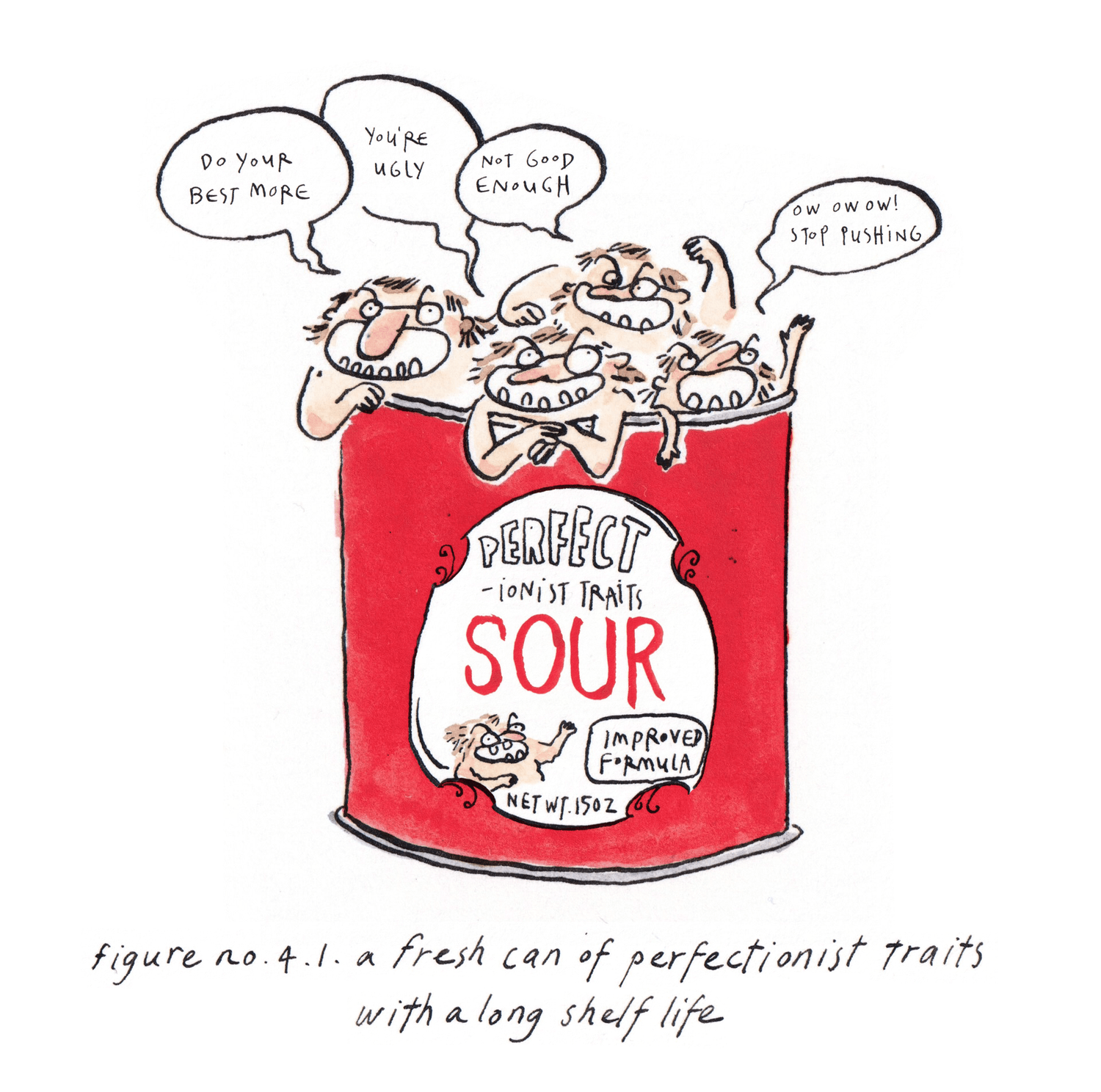
Ironic this all kicked off around writing a blog about perfectionism, right? Or maybe my focus on those traits is exactly why it did. Urgh! So I needed to give myself a massive talking to which, in turn, has inspired this blog you are reading now (there is always a brightside).
A good technique to use when this sort of thing occurs, is to come up with (and even better, write down) the counter arguments.
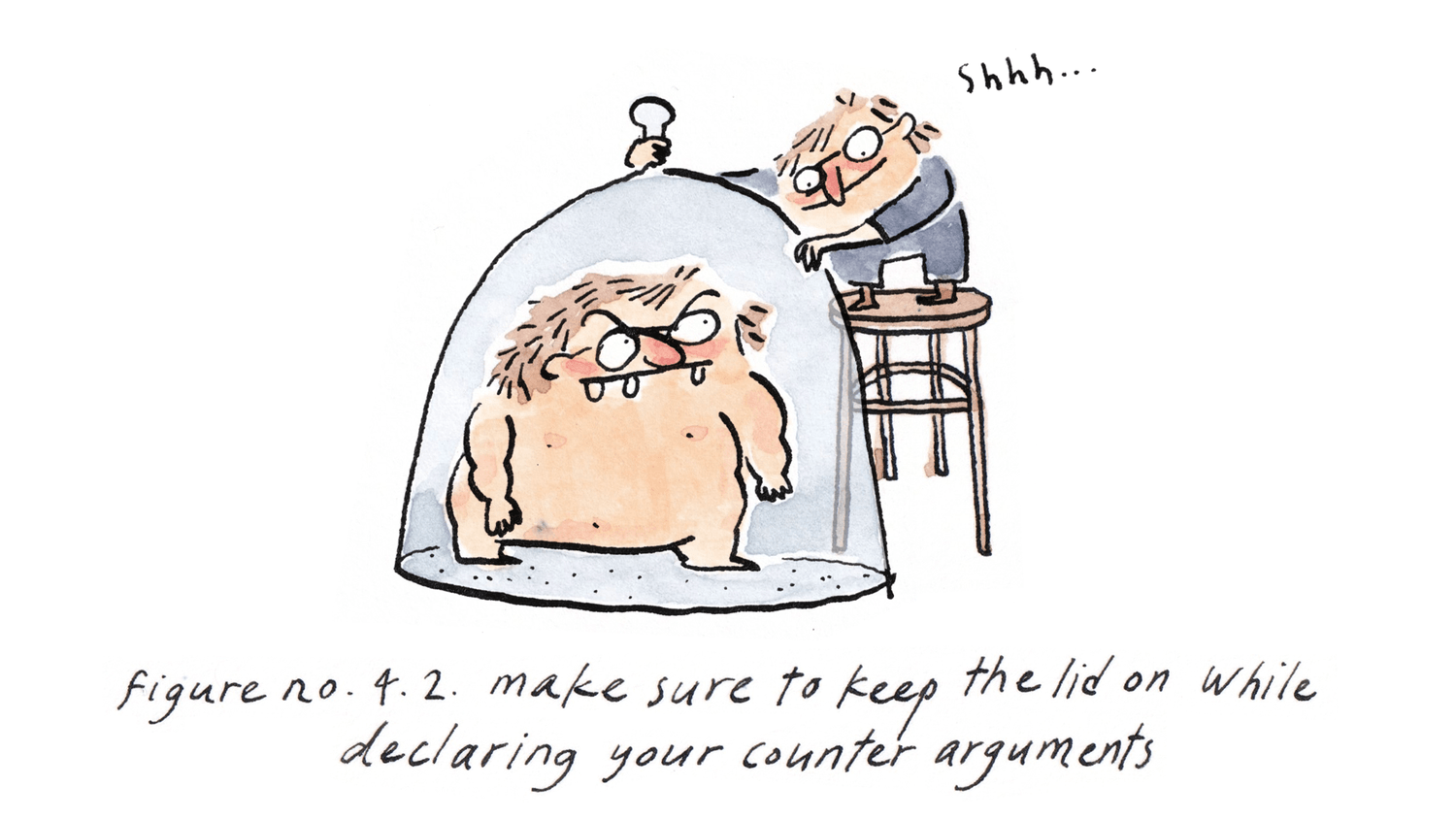
If I were to take some of those comments my inner critic was shouting at me, my counter arguments would be:
The critic: What do you know about this?
My counter: I know quite a bit actually as I spend most of my time supporting creative people to achieve difficult things, so it comes up a lot.
The critic: You’re not a scientist!
My counter: That is true. So what?
The critic: You aren’t even adding any solid, well researched evidence to back this up. You’re a fraud!
My counter: The lovely people who read my blogs, send me comments and talk to me about it are similar to me in thinking life is too short to get bogged down in peer reviewed research papers that are about as fun as going to the dentist. That is not to say I dismiss all that completely, absolutely not, but it doesn’t belong here in this blog.
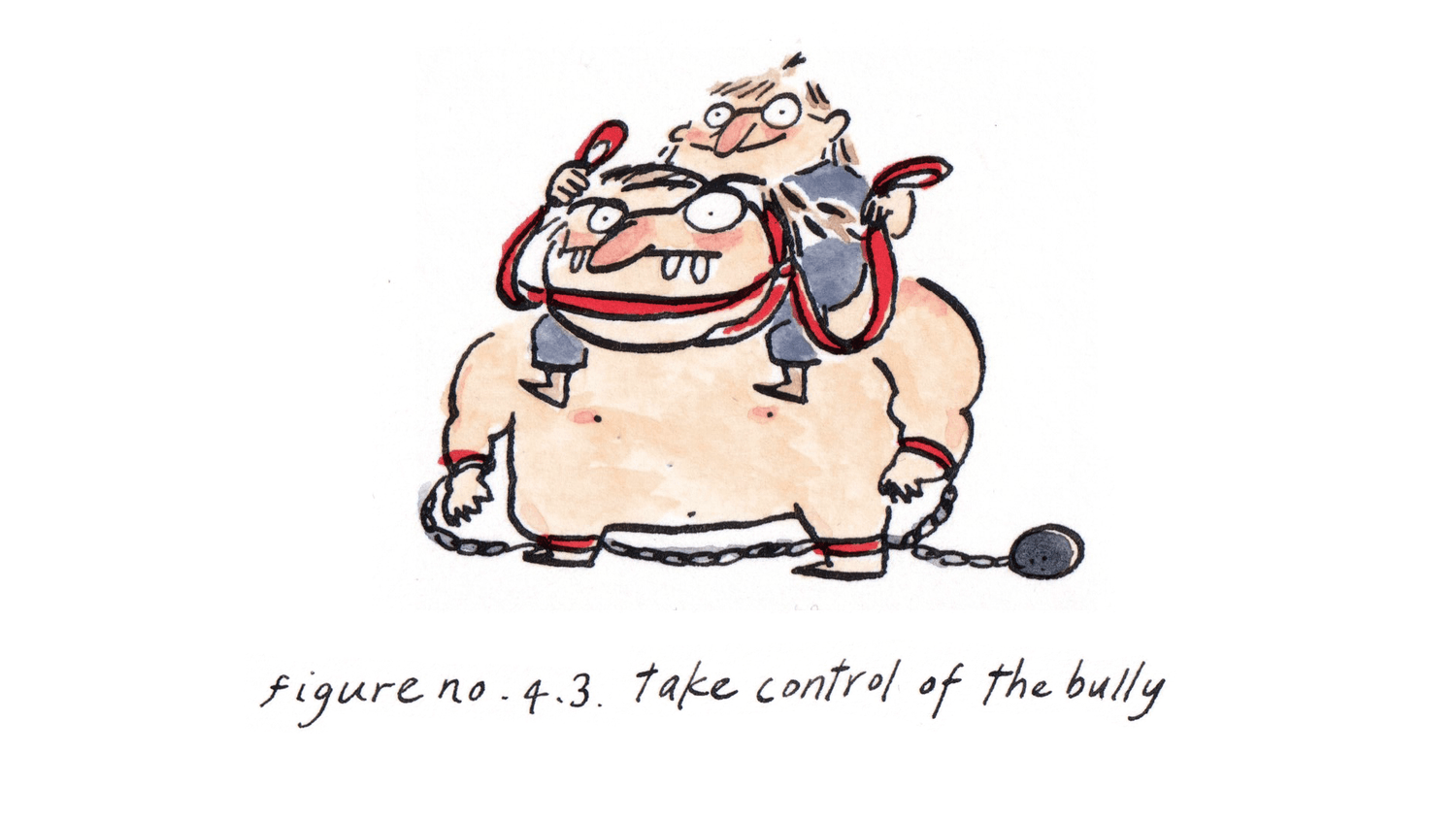
The next time your inner critic is being far too noisy for its own good, try this exercise. If you really want to hammer the point home, write down every single negative you can think of, even the silly ones. Then write the counter arguments. You will have to call upon the steely, determined, maybe even ruthless part of you to do this and allow them to be as shouty as they’ve always wanted to be. That bully, the inner critic, will soon be put in its place.
Here are some more ways to practice imperfectionism:
🔎 Spot when perfectionism is creeping in. Awareness is crucial in being able to be more imperfect so you can get stuff done.
🎲 Speed up decision making through gamifying it! If you’ve got an either/or decision, toss a coin. Or throw a dice with up to 6 options. Regardless of where the coin or die lands, it will help you know what your decision actually is. Start with something simple, like 2 choices of drink or food and build up so you can use it for bigger decisions. You don’t have to stick to the choice the game makes, but it helps make the process lighter, reduces overthinking and encourages messy action.
💌 Practice positive psychology. The pillars of positive psychology are all useful when combating perfectionism. These include practicing gratitude, savouring the moment and spotting glimmers, doing activities that allow you to go into flow state, practicing kindness to others, being self compassionate and connecting with other people in an enjoyable way.
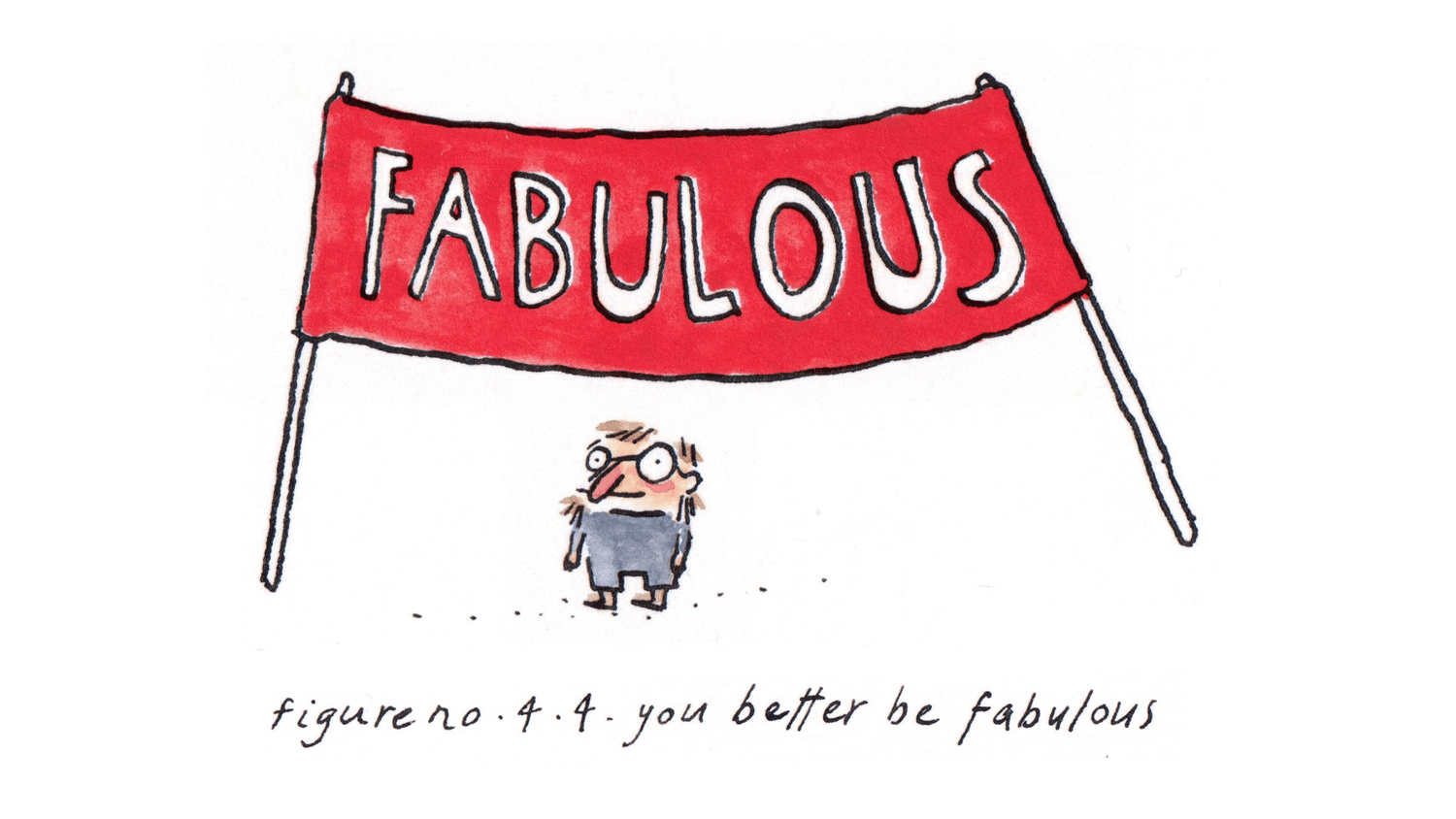
Release your inner rebel. The capitalist/consumerist world we live in wants us to feel like we’re not enough. Being an imperfectionist is an enormous “up yours!” to the system. Rebel against the endless drive to buy stuff we don’t really need and constantly better ourselves as our current self is inadequate. It’s all rubbish. You are fabulous and the more you can constantly remind yourself of that, the more you will truly believe it.
Ooft! Just writing that last sentence gave me a little buzz of self appreciation. Fabulous!
If you’d like to dive deeper into all this, my 12 week programme The Imperfectionist runs every Autumn. Check out this link and you are welcome to book a free chat to discuss if you’re tempted and have questions.
Q&A
Sarah: How do you practice imperfectionism?
Tara: I try to work in small pockets of time, treat myself regularly, and go for a walk when I notice my inner critic creeping in. Another thing that has massively helped, is keeping a list of small achievements. No matter how small these achievements are, they remind me that I’m showing up for my work, and that’s the most important part.
Tara: What little games do you play to make tasks lighter and how do you make your days more playful?
Sarah: Sometimes it’s really important to keep it simple. So when I feel things are getting too heavy, I’m procrastinating because something feels too tedious or if I’m being more serious than I need to be, I just ask myself “how can I make this more playful or creative? Just that question immediately fires up the playful joker part of me. It’s like she immediately wakes up with that simple ask, and starts bouncing round my head with suggestions. Most are ridiculous or impossible to implement, but there will be one or two which I can put into action straight away.