
Am I a Perfectionist?
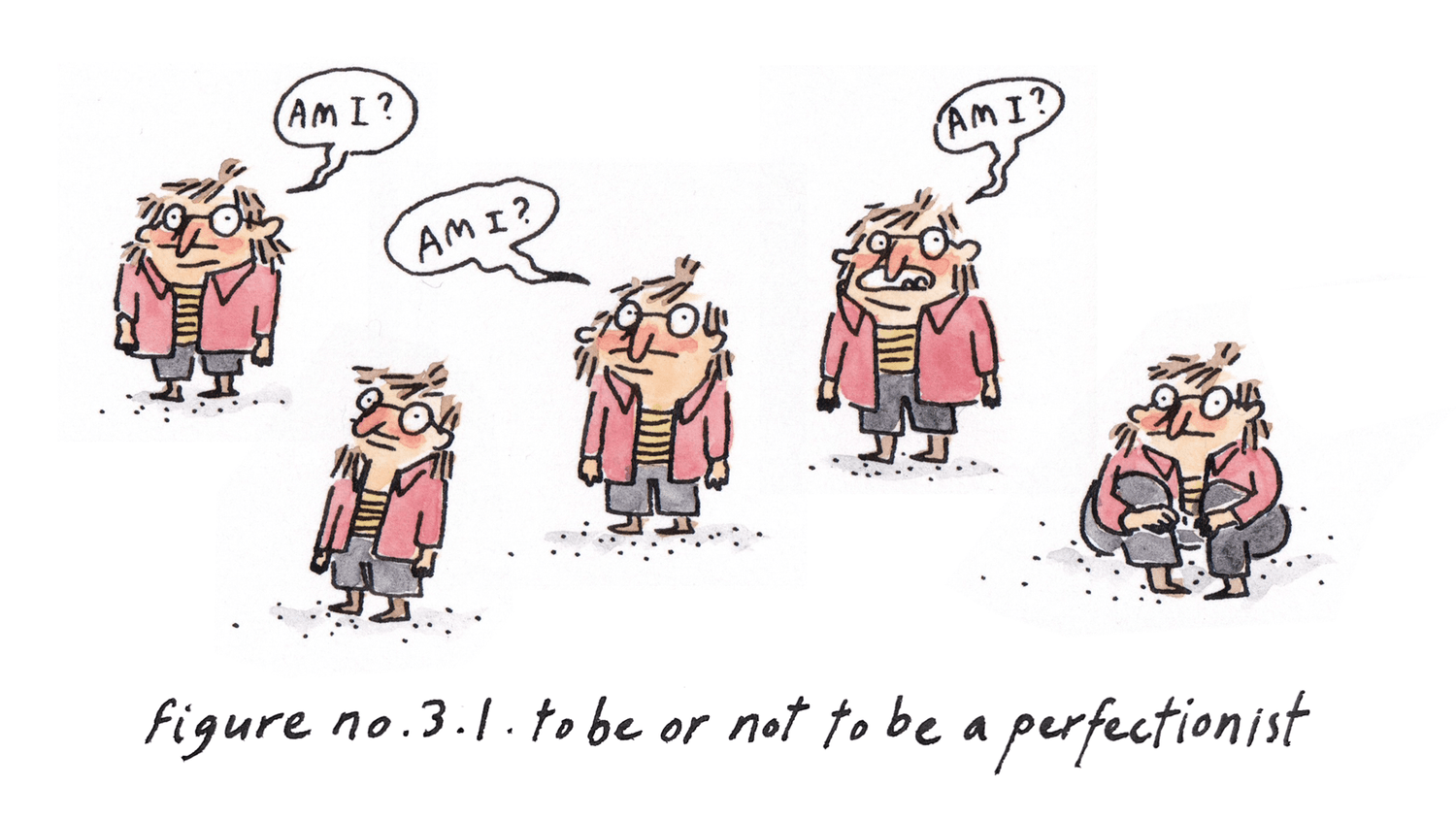
Perfectionism shows up in several different ways, but there are three overarching categories which are perhaps most common and might help answer this question.
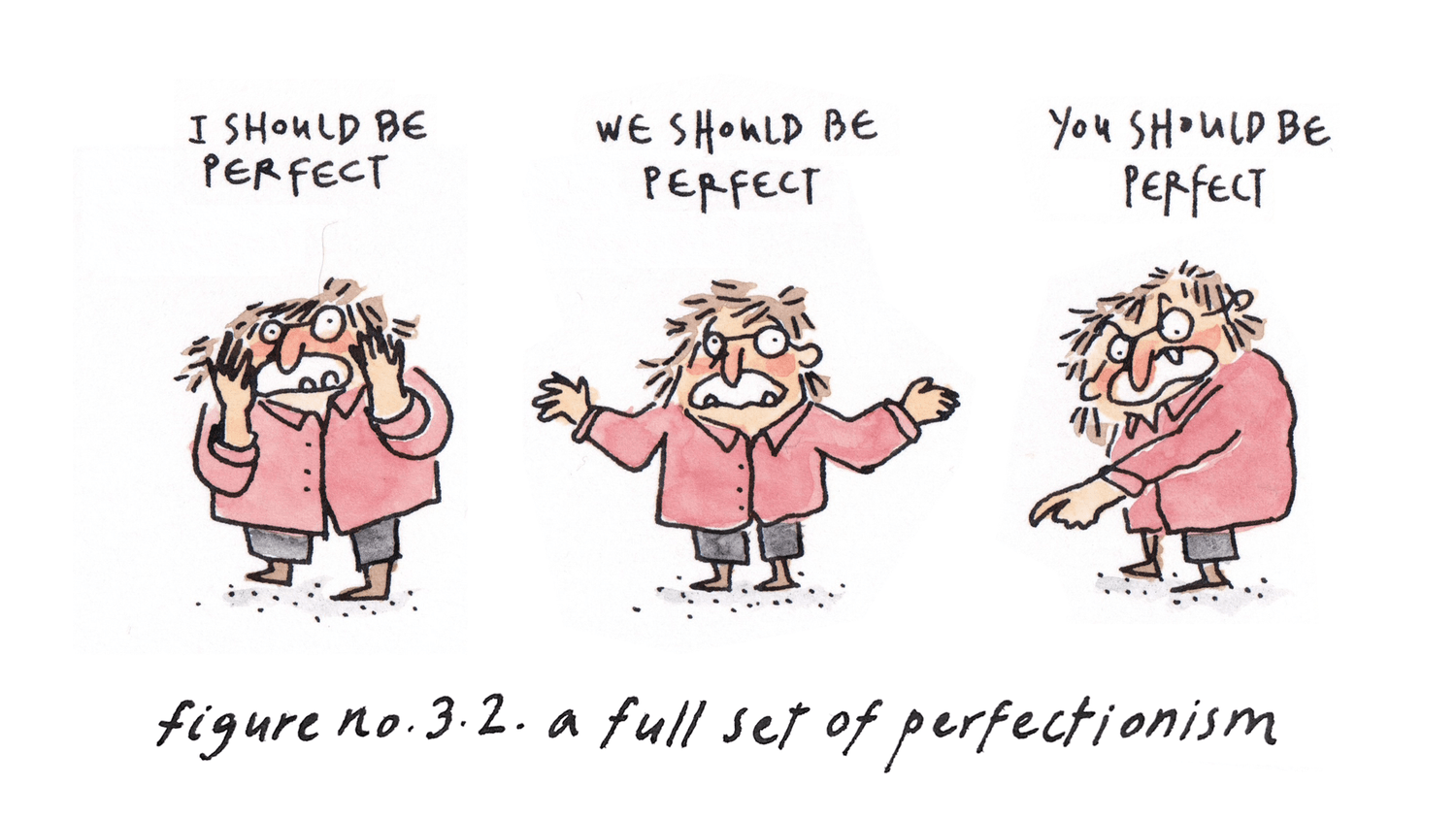
First, there is self prescribed perfectionism. This is where you place huge expectations on yourself to get everything right. Do you regularly beat yourself up for making mistakes, messing up, not knowing enough or not being as good as others? Is your inner critic a loud unhelpful voice in your head? Is your sense of self worth linked to how productive you are? A yes to any of these suggests that you have self oriented perfectionist traits.
Secondly there is the perfectionism we assume is expected of us by others. Sometimes others may well be displaying other oriented perfectionism (see the third definition below) and demanding too much of you, but far more common is an assumed opinion of others which doesn’t exist in reality. Have you ever over-analysed a conversation or email? Would you describe yourself as a people pleaser? Do you procrastinate about taking action, fearful of what others might think? Tick any of these to show that societal oriented perfectionism is showing up.
And thirdly, there is perhaps the most pernicious of the three, the perfectionism we demand in others especially in positions of authority as, for example, managers or parents. There is a fine line between empowering others to be their best and demanding more than is reasonable from them. We can all be guilty of it and we need to watch out for it to protect those around us. If you find it hard to delegate, have a tendency to micro-manage, if you’re quick to spot mistakes in others or get easily frustrated when someone isn’t doing something the right way, then other oriented perfectionism is showing up here.
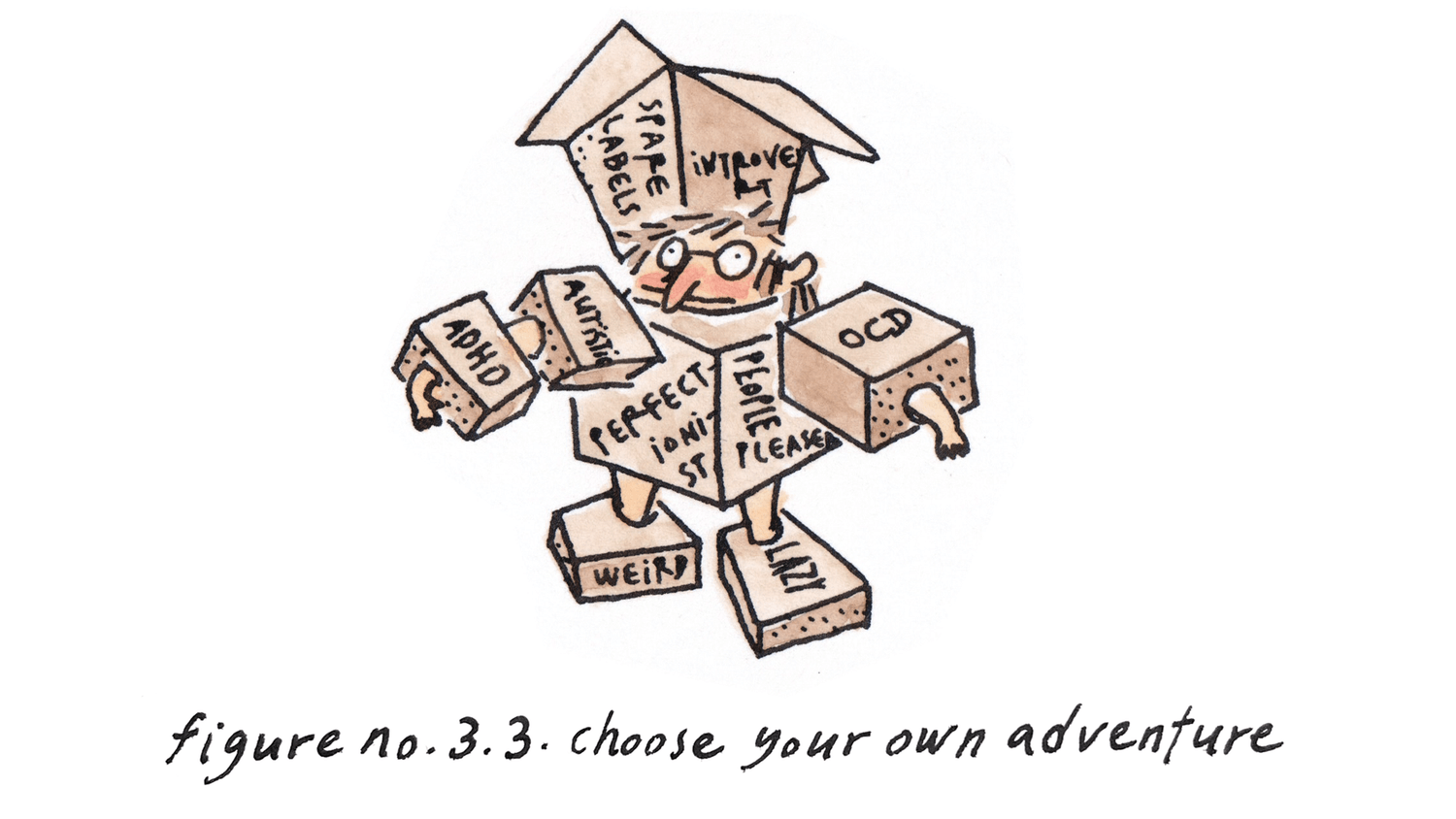
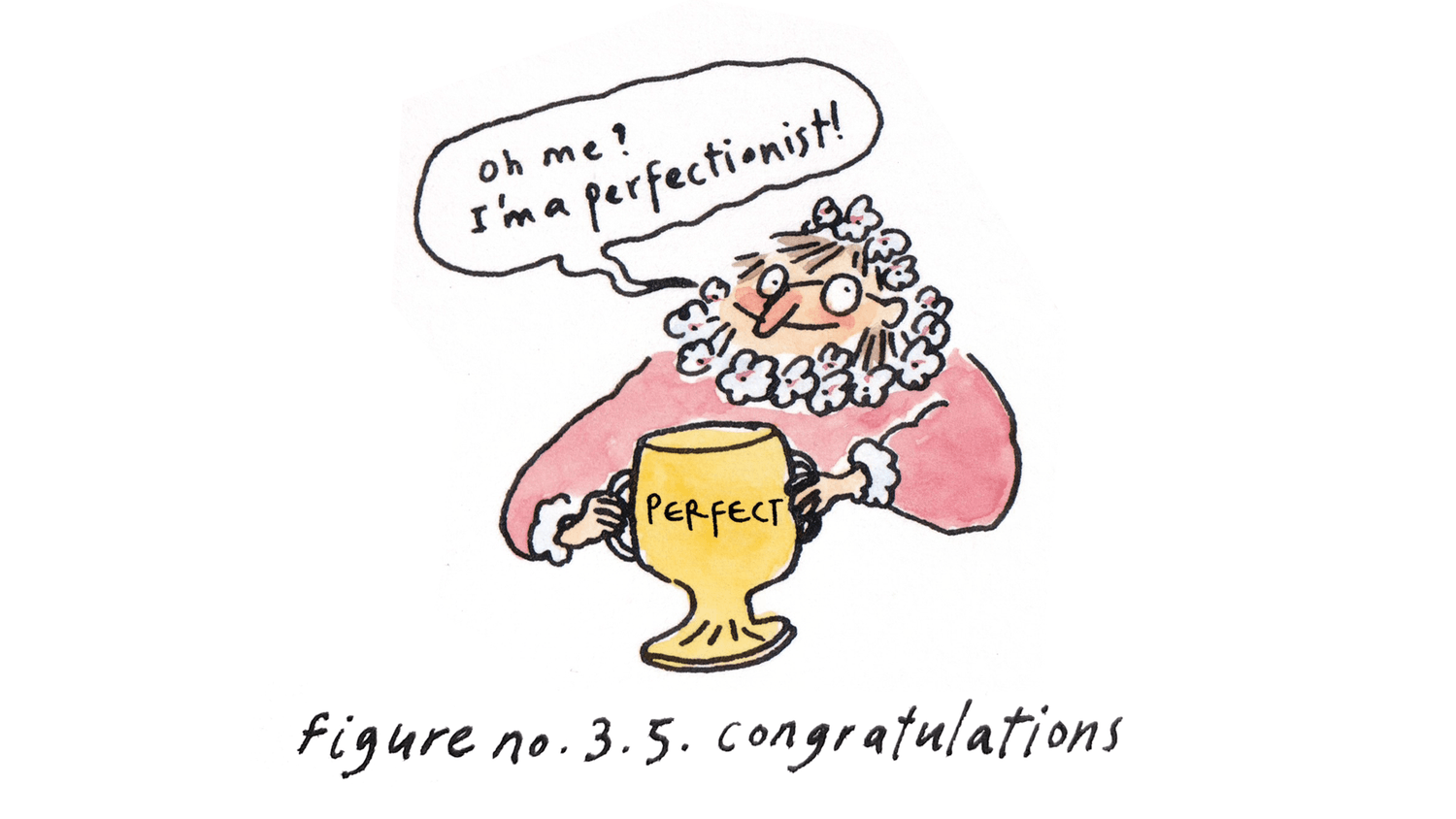
So are you a perfectionist? No, you are not. But you may have perfectionist traits. Calling yourself a perfectionist cements that label making it harder to shift, so be careful what story you are telling yourself and others about who you are. We all have perfectionist traits in some form or another, some have more than others, but I refute the label "perfectionist".
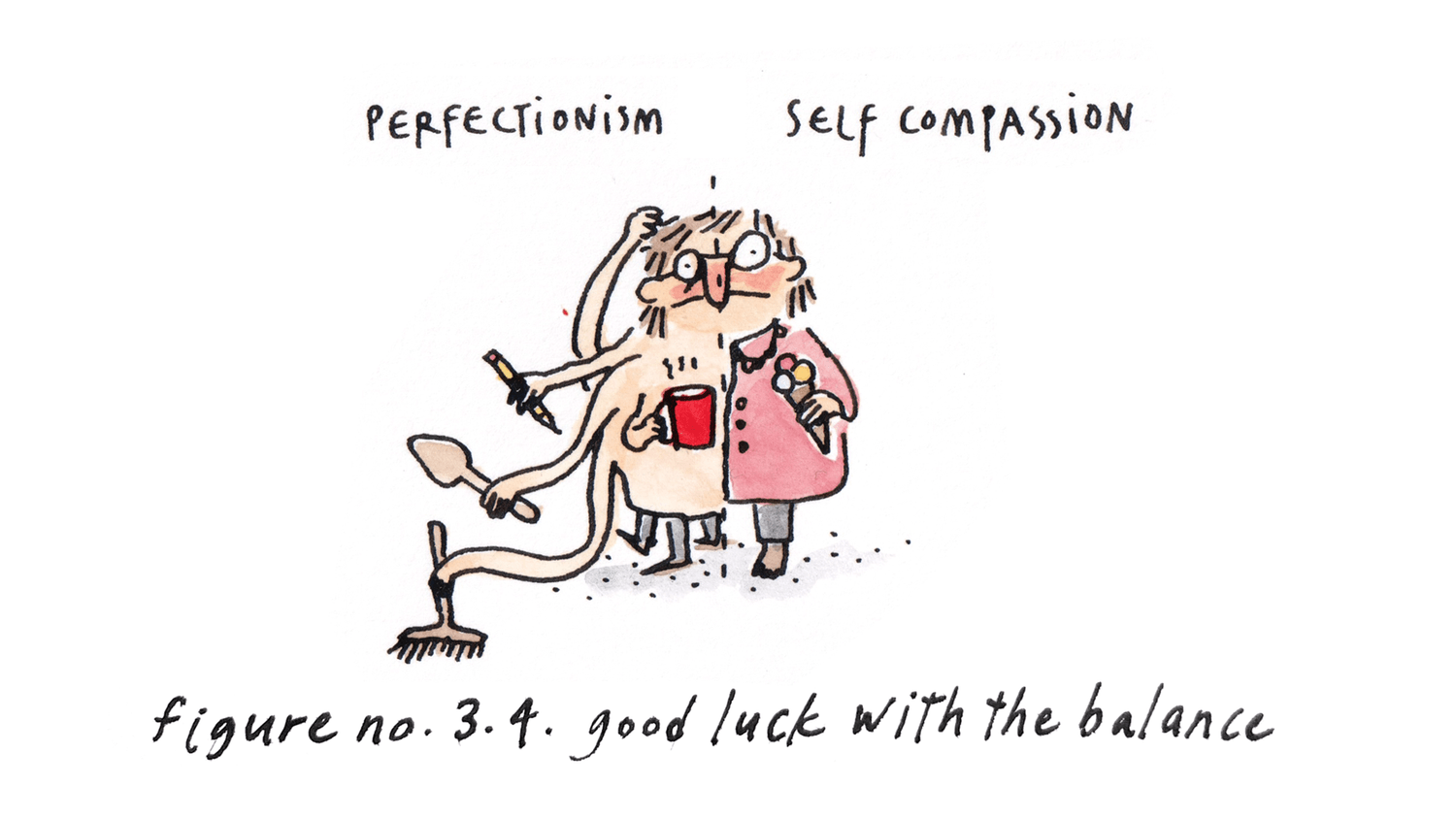
All of these types of perfectionism are intrinsically linked to self compassion. The less self compassion you are able to muster, the more perfectionism is likely to creep in. Being self compassionate takes a lot of effort, but the rewards are great including rewiring neural pathways so that you are more content, can experience greater amounts of joy, have a greater impact in the world and increased health and wellbeing. Worth the work, I'd say!
And along the lines of kindness to yourself, it is really important to recognise that perfectionism is not our fault as it is a product of our times. In a capitalist, consumerist world, we are constantly told that we should strive for more because what you are and have in the present isn’t good enough. An excellent ploy to get us to buy more stuff and to feel less than, but not so useful in allowing us to fully express ourselves and maximise our potential as humans.
Society’s opinion of perfectionism is faulty as it laced with a good helping of survivor bias. Often perfectionists are held up as the high achievers in our world (e.g Beyonce or Steve Jobs) but the bright light of these successful folk shadows countless others whose perfectionism actively worked against their ability to achieve their dreams. This survivor bias suggests that being a perfectionist is something impressive and something we should strive for when in fact, happiness, contentment and success more readily comes from the opposite where we acknowledge we are good enough, feel content and proud of ourselves and encourage ourselves to strive for our dreams because we deserve them.
Q & A
Sarah: How do you practice self compassion?
Tara: To be honest, self compassion doesn’t come naturally to me at all. I have a loud inner critic and it can feel awkward to speak up against it; let alone treat myself kindly. The main way into self compassion for me is to allow for a bit of distance between myself and the task I’m working on. This could be a walk, a conversation with a colleague, or even just a shower. If I sense my brain getting overly perfectionist, I try to step away and do one of those things before reacting to it. As subtle as this is, it still gives my body the message that I’m allowed to rest and take care of myself. And sometimes that message is enough to calm me down.
Tara: How do you tell when you are being a perfectionist? Any usual cues?
Sarah: For me, perfectionism often shows up in the form of stalling, freezing or full on avoidance of a particular task. It is only when I start to unpick the resistance that I realise that I’m not wanting to start or further the task because I feel I don’t have the skills/talent/wisdom/looks to be able to effectively pull it off, whatever it is. Even though I’m a committed Imperfection practitioner, perfectionism still creeps in all the time. I’d say being beautifully Imperfect means I can spot when it’s happening more quickly and stamp on it!
To fully answer your question, here are some clues:
I’m feeling uncomfortable about a task or going to an event/meeting etc
My inner critic is speaking more loudly than usual
I’m feeling generally a little less confident all round
My perceived opinion of other people’s thoughts about me are in my head more often
I’m re-doing things a lot - deleting and retyping, rubbing out and redrawing, unpicking and restitching when some of the mistakes could definitely be considered happy accidents if I were in a more Imperfect frame of mind
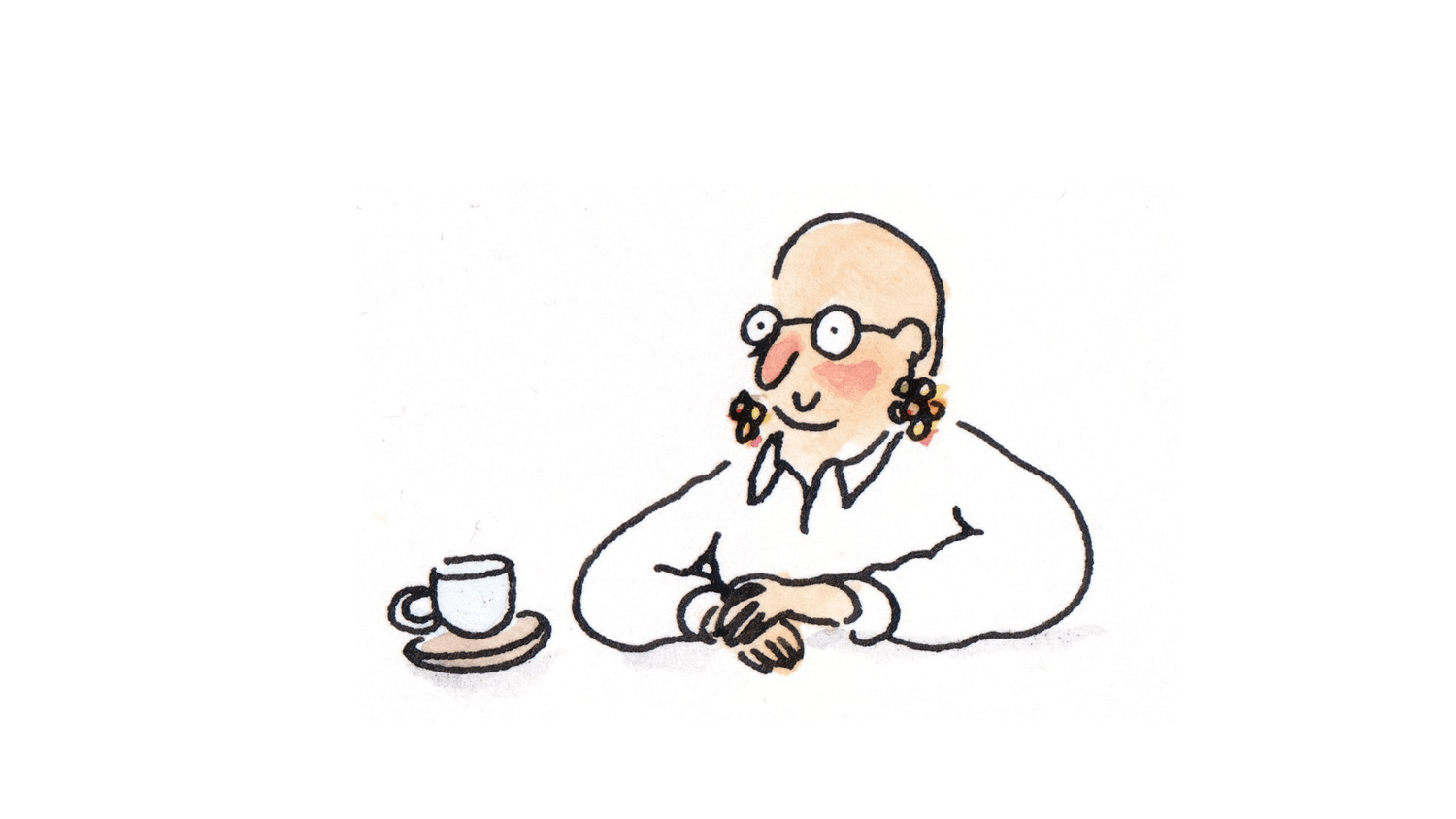
Sarah: A question for both of us, if your own perfectionism was a person sitting across the table from you, what would you say to it?
Tara: That’s such a good question! Knowing how uncomfortable I probably would get around this person, I wonder if I will actually dare to speak. But if I do, I would make up words or speak in a language that they can’t understand. Just out of spite. And to make sure that they can’t correct me, and hoping that this way I will stay in control.
Sarah: I would acknowledge that they are a part of me but I would be a bit bolshy in being clear that I’m their boss, not the other way around. To be kind (self compassion all the way!), I’d say that sometimes they can be useful when I want something to be excellent, but I’d let them know that they need to practice restraint when they do speak up. But as soon as we’re nearing that territory, they can back right off and let the other parts of me decide when something is good enough.
Come back to the blog next month for a focus on Imperfection and how we can cultivate it! You might also be interested in my course, The Imperfectionist - a 12 week group programme from September to December 2026 is launching soon, join the wait list here.
Lorem ipsum dolor sit amet, consectetur adipisicing elit. Autem dolore, alias, numquam enim ab voluptate id quam harum ducimus cupiditate similique quisquam et deserunt, recusandae.